


























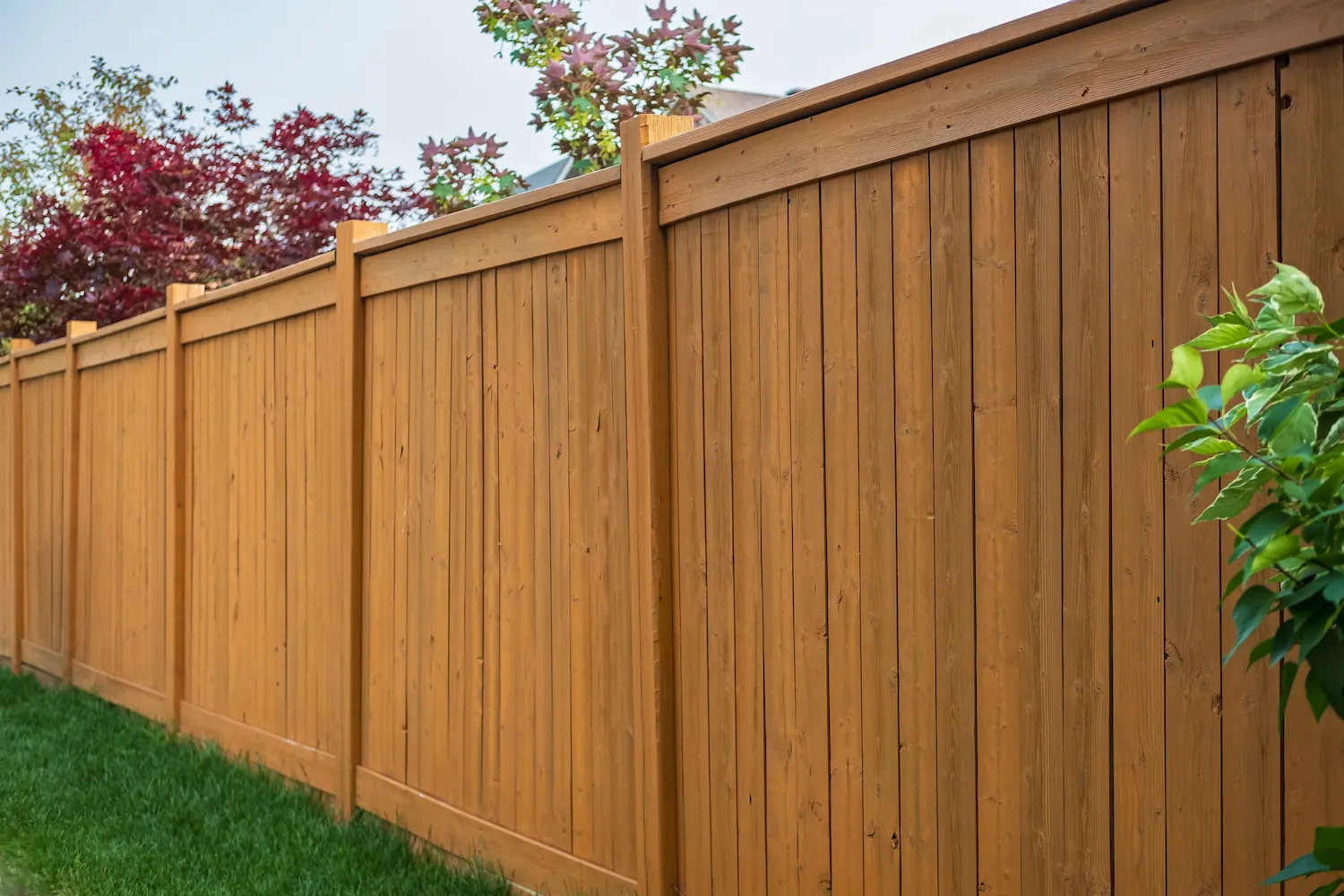
Putting up a new fence is a major home improvement project that requires careful planning. The material you choose will affect the wall’s longevity, upkeep, cost, and appearance. Since wood and composite are the two most popular choices, it’s worth comparing their pros and cons.
A beautiful fence should not only match your home but also fit your lifestyle. In this article, we’ll break down the differences between wood and composite fencing, helping you decide which material is best for your needs. Whether you want something budget-friendly, stylish, or built to last, we’ve got you covered.
Wood Fencing
Join The European Business Briefing
The daily email on markets, technology, power and money across Europe. Join 10,000+ founders, investors and executives who read EBM every morning.
SubscribeWood fencing is a very common fencing material in the UK. The most popular timber fences are constructed from treated pine, cedar, and other wood types, which are naturally rot-resistant and durable.
Several types of wood fences include pickets, post-and-rail, basket weaves, and lattice tops. Wood fences have a classic, natural look that many homeowners find appealing. They are typically used in residential settings for privacy, security, and aesthetic purposes.
Composite Fencing
Composite fencing is a type of fencing made from a blend of wood fibres and plastic. These materials are bonded together under heat and pressure and then formed into boards or panels, which are used to construct fences.
Composite wood requires far less maintenance than traditional wood. It does not need painting, sealing, or staining. Composite wood retains its colour and resists fading in the sun. It is commonly used for both residential and commercial fence projects.
How Do Wood and Composite Compare?
Durability
Composite fences last around 25–30 years, while wood fences usually last 15–20 years with regular upkeep. Wood fences, especially made from cedar and redwood, resist rot and insects but can’t match the composite’s durability. Unlike wood, composite won’t warp, crack, or rot, even in harsh weather. It’s the tougher, longer-lasting choice for a low-maintenance fence.
Maintenance
This is where composite wood stands out. Unlike traditional wood, which needs regular staining, sealing, and repairs, composite fences only require a quick wash with soap and water now and then. True, wood fencing looks beautiful when freshly stained, but keeping it that way is a hassle. If you’d rather enjoy your weekends instead of re-staining or pressure washing, composite would be the better choice.
Cost
Composite fences cost more upfront, but they’re worth it. They last longer and need less maintenance, saving you money over time. Traditional wood fences are cheaper initially but require ongoing staining, sealing, and repairs. Think of wood as a short-term investment, while composite is the hassle-free, long-term choice.
Environmental Impact
When considering environmental impact, composite fencing presents a compelling case for sustainability. By incorporating recycled plastics and wood fibres, it diverts waste from landfills. Unlike traditional wood, which often requires chemical treatments that can leach into the environment, composite fencing avoids these harmful substances. Furthermore, the extended lifespan of composite materials reduces the need for frequent replacements, minimising overall waste and resource consumption.
Aesthetic Appeal
Composite fences offer various colours and styles, many resembling natural wood. They resist fading and staining, keeping a consistent look over time. Wood, with its warm tones and organic texture, adds timeless charm. Plus, it can be painted or stained for a custom look, making it a versatile choice for any property.
Weather Resistance
If you’re looking for a fence that can handle the UK’s weather without constant upkeep, composite is a great option. It resists UV damage, won’t rot, and stays true in all temperatures. Unlike timber, which can suffer from rot in damp conditions and warp in the summer sun, composite offers a durable, low-maintenance solution.
Installation Process
Composite fences are designed for easy installation, with pre-made panels and post systems simplifying the process. While pros are recommended, DIYers may find it manageable. Wood fences, on the other hand, require more effort; each board must be attached individually, and posts must be securely set. Though doable yourself, professional help can save time and effort.
Which Fence Material is the Best for You?
Deciding between composite and wood fencing depends on your needs, budget, and maintenance preference. Composite costs more upfront but lasts longer with minimal upkeep. Wood offers natural beauty but requires regular maintenance. If you prefer durability and low maintenance, choose composite. If you enjoy wood’s classic look and don’t mind upkeep, a wood fence suits you.
Conclusion
Choosing between composite fencing and traditional wood depends on your priorities. Each has its advantages, and there’s no universal right choice. A fence is a lasting investment in your property, so it’s worth exploring your options, asking questions, and even requesting samples if you can. Regardless of your choice, the right fence can boost your property’s aesthetics, security, and value in the long term.